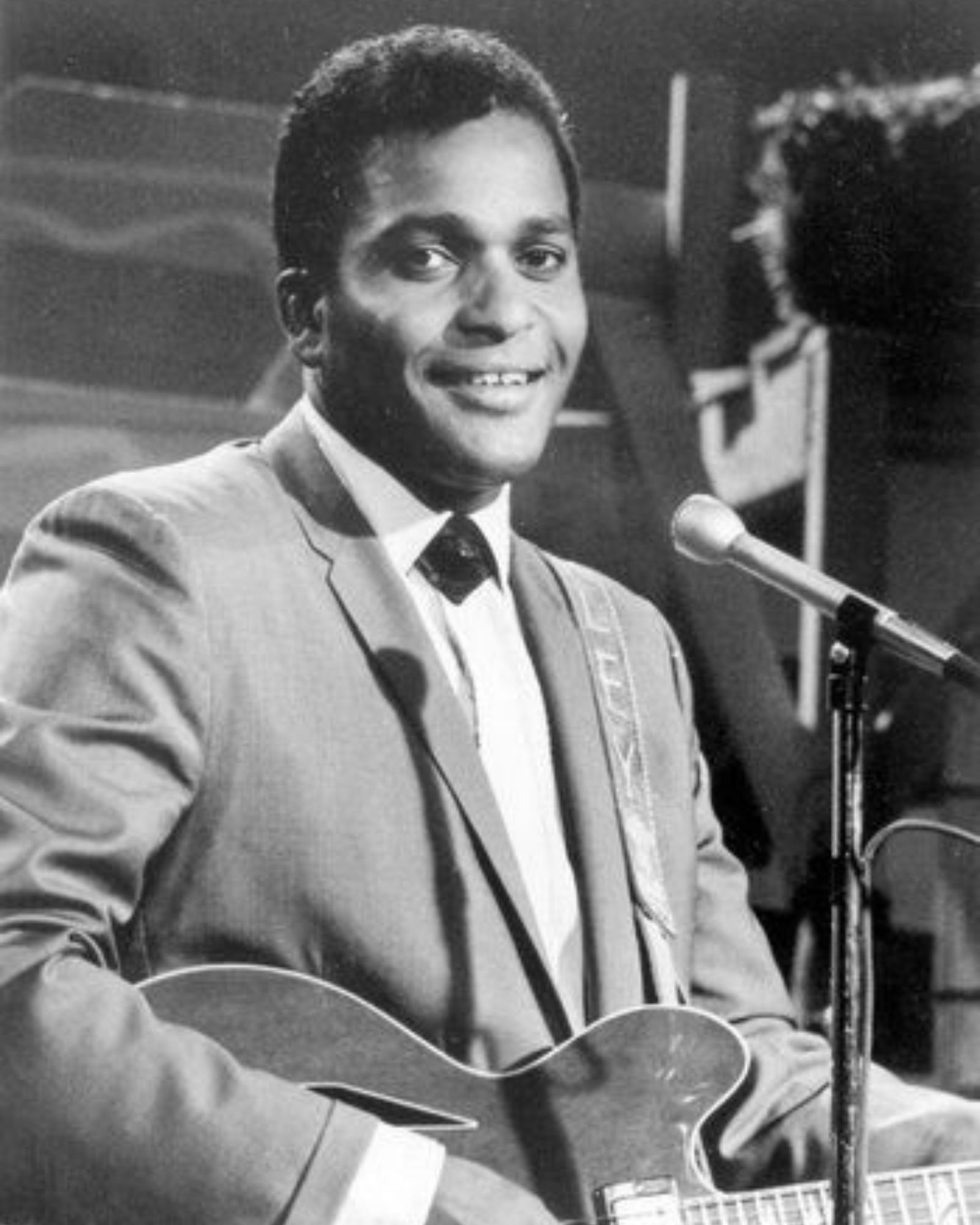
On January 7, 1967, Charley Pride stepped onto the stage of Nashville’s Ryman Auditorium for a performance that would become an important moment in country music history.
The man introducing Charley Pride that evening was Ernest Tubb, one of the singers Charley Pride had admired since childhood. For a sharecropper’s son from Mississippi, appearing on the Grand Ole Opry was already a remarkable achievement. Being introduced by Ernest Tubb made the occasion even more personal.
But there was another part of this story that many country music fans never knew. Charley Pride would soon have the opportunity to become an official Grand Ole Opry member. Surprisingly, Charley Pride declined the invitation.
From a Mississippi Cotton Farm to the Grand Ole Opry
Charley Pride was born on March 18, 1934, in Sledge, Mississippi, where childhood meant working in cotton fields and growing up with limited opportunities.
Music was always part of family life. Charley Pride’s father loved the Grand Ole Opry and regularly tuned the family’s Philco radio to WSM in Nashville.
Through that radio, Charley Pride discovered the voices of Ernest Tubb, Hank Williams, Roy Acuff, and other country performers. At fourteen, Charley Pride bought a guitar from a Sears Roebuck catalog and began learning to play.
Those Saturday-night broadcasts helped shape Charley Pride’s musical ambitions long before a career in Nashville seemed possible.
After years spent pursuing baseball and working outside the music industry, Charley Pride eventually found a path into country recording. RCA Records signed Charley Pride in 1966, opening the door to a professional singing career.
The Night Ernest Tubb Introduced Charley Pride
On January 7, 1967, Charley Pride became the first Black solo singer to perform at the Grand Ole Opry. Harmonica player DeFord Bailey had appeared on the program decades earlier, but Charley Pride’s debut marked another historic milestone.
Ernest Tubb hosted the portion of the show in which Charley Pride performed “The Snakes Crawl at Night.”
Later that evening, Charley Pride returned to sing Hank Williams’ “I Can’t Help It (If I’m Still in Love with You).”
Despite having performed elsewhere, Charley Pride found the occasion overwhelming.
“I was so nervous, I don’t know how I got through those two songs.”
That admission says plenty about the importance of the evening. Charley Pride was standing on the very stage that had inspired so many childhood dreams.
Why Charley Pride Turned Down Opry Membership
Following that historic appearance, Charley Pride received an invitation to become an official Grand Ole Opry member.
Charley Pride declined, and the reason had nothing to do with a lack of affection for the institution.
At the time, Opry membership required performers to appear on 26 Saturday nights each year. For an emerging country singer living in Texas and building a national touring career, that commitment carried a serious financial cost.
Friday and Saturday were the most valuable nights for concerts. Giving up so many Saturdays in order to perform in Nashville meant sacrificing opportunities to earn money on the road.
In later interviews, Charley Pride explained that the decision was purely economic. During those early years, Charley Pride recalled earning roughly $100 to $200 for a concert, while the financial rewards of Opry appearances were comparatively modest.
In the autobiography Pride: The Charley Pride Story, Charley Pride recalled that the Opry paid just eight dollars per song when the membership invitation first came.
Becoming an Opry member was an honor, but Charley Pride also needed to build a sustainable career.
The Invitation Remained Open for 26 Years
Charley Pride continued performing at the Grand Ole Opry as a guest while building one of the most successful careers in country music.
Over the following decades, Charley Pride recorded numerous country hits, earned major industry awards, and became an internationally recognized performer.
The invitation to join the Opry remained open.
By 1993, circumstances had changed. Charley Pride’s touring schedule had become easier to balance with the responsibilities of membership, and the time finally felt right.
On May 1, 1993, Charley Pride officially became a member of the Grand Ole Opry, 26 years after Ernest Tubb had introduced Charley Pride on that historic January night.
Charley Pride later described membership as becoming part of a family that included the great country performers who had come before.
There is something especially fitting about that ending. The same Grand Ole Opry broadcasts that Charley Pride heard on a Philco radio in Mississippi eventually became part of Charley Pride’s own life and career.
What began as a childhood love of country music led to a historic debut in 1967, followed by a decision that was practical rather than personal. Twenty-six years later, Charley Pride finally accepted the invitation that had remained open all along.