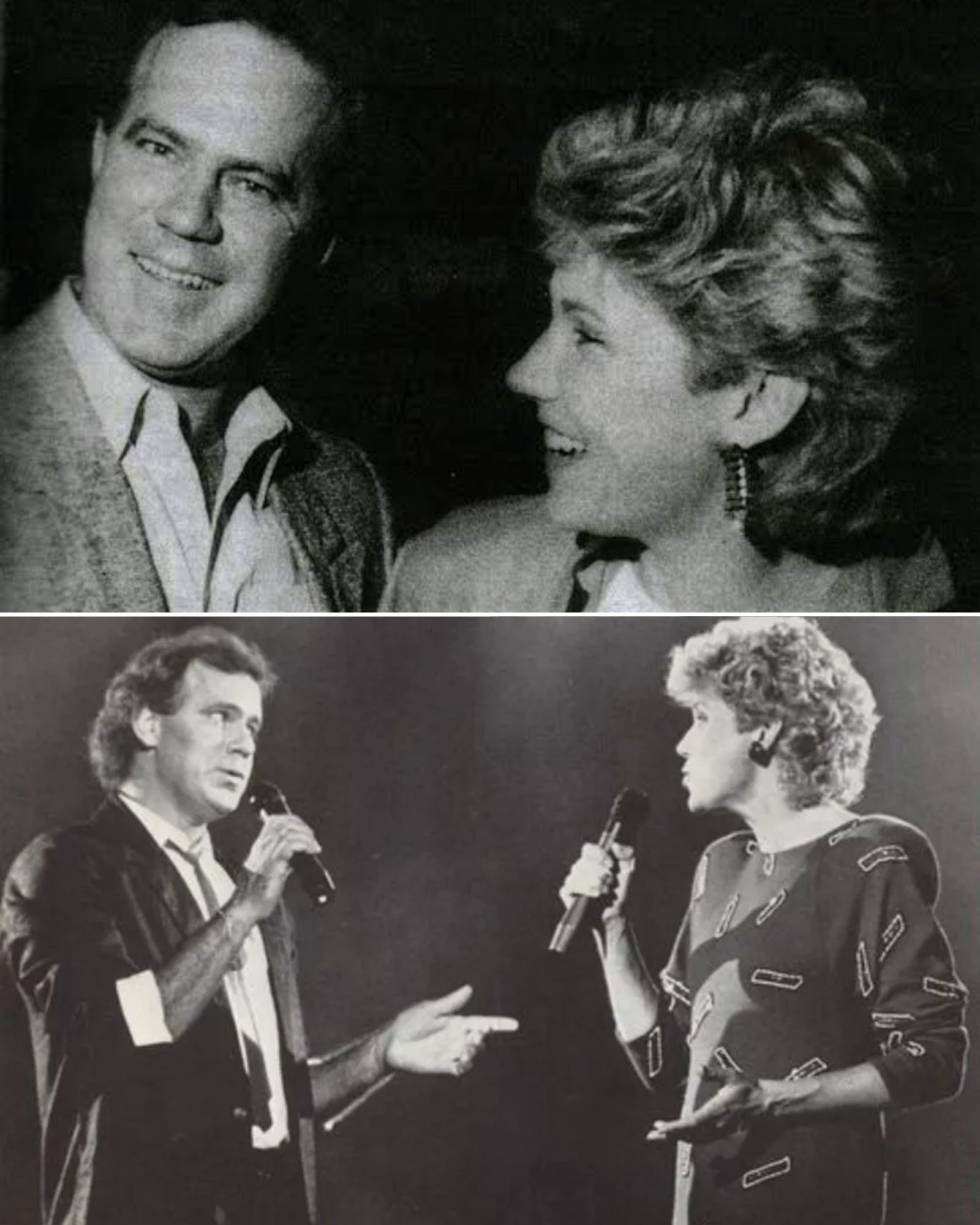
Anne Murray had been listening to Dave Loggins long before the two singers shared a hit record. The voice that caught Anne Murray’s attention came through demo recordings: the working versions of songs that help artists decide what to record.
Those recordings usually serve another purpose. A singer introduces a melody, delivers the words, and gives a potential recording artist something to imagine making their own. But Anne Murray heard something worth remembering beyond the songs themselves. Anne Murray liked Dave Loggins’s voice.
That quiet appreciation eventually led to a flight from Nashville to Toronto, a song learned along the way, and a partnership that would earn one of country music’s major awards.
A songwriter whose voice deserved another listen
Dave Loggins already knew what success as a recording artist felt like. In 1974, “Please Come to Boston” reached No. 5 on the Billboard Hot 100. But as the years passed, songwriting became an increasingly important part of Dave Loggins’s career.
Country artists including Alabama, Don Williams, and The Oak Ridge Boys recorded Dave Loggins’s work. Listeners could encounter Dave Loggins’s songs through familiar voices without necessarily knowing the person behind the writing.
Anne Murray, however, had noticed the singing. According to published accounts of the eventual duet, Anne Murray had expressed admiration for Dave Loggins’s demo vocals to producer Jim Ed Norman. When Jim Ed Norman suggested recording a duet with Dave Loggins, Anne Murray welcomed the idea.
Dave Loggins was surprised that Anne Murray had been paying attention to those recordings. What had been part of the everyday business of presenting songs had made a lasting impression.
A plane ticket and a song to learn
After the initial invitation, Jim Ed Norman called Dave Loggins again. Dave Loggins was working at a demo studio in Nashville when the producer explained that a plane ticket was waiting.
The destination was Toronto, where Anne Murray was recording.
Dave Loggins learned the song during the flight and recorded a scratch vocal with Anne Murray that afternoon. The finished recording involved another step: after Anne Murray’s part was completed, Dave Loggins recorded the final vocal back in Nashville.
That distinction makes the story more interesting. The first session brought the voices together, but the performance listeners eventually heard was completed through work in two cities. The easy flow of a finished duet can conceal the separate sessions that helped create it.
The song that brought the voices together
The recording was “Nobody Loves Me Like You Do,” written by James Dunne and Pamela Phillips Oland.
For a songwriter with Dave Loggins’s accomplishments, there was a pleasing turn in the story: this time, Dave Loggins was helping interpret someone else’s composition. The contribution was the very quality Anne Murray had appreciated on those demos—the voice.
The duet appeared on Anne Murray’s Heart Over Mind album and reached No. 1 on Billboard’s country singles chart on December 15, 1984. In 1985, Anne Murray and Dave Loggins received the Country Music Association’s Vocal Duo of the Year award.
An impression that lasted beyond the demo
The chart position and the CMA trophy provide the public ending. But the beginning is what gives this collaboration its human appeal.
Anne Murray had listened closely enough to remember a singer whose immediate job was to demonstrate a song. Dave Loggins had no reason to assume those working recordings would lead to an invitation from Anne Murray.
Years of listening became a suggestion from Jim Ed Norman. That suggestion became a recording session. And the voice Anne Murray had admired in the background of the songwriting business became an equal presence on a No. 1 duet.