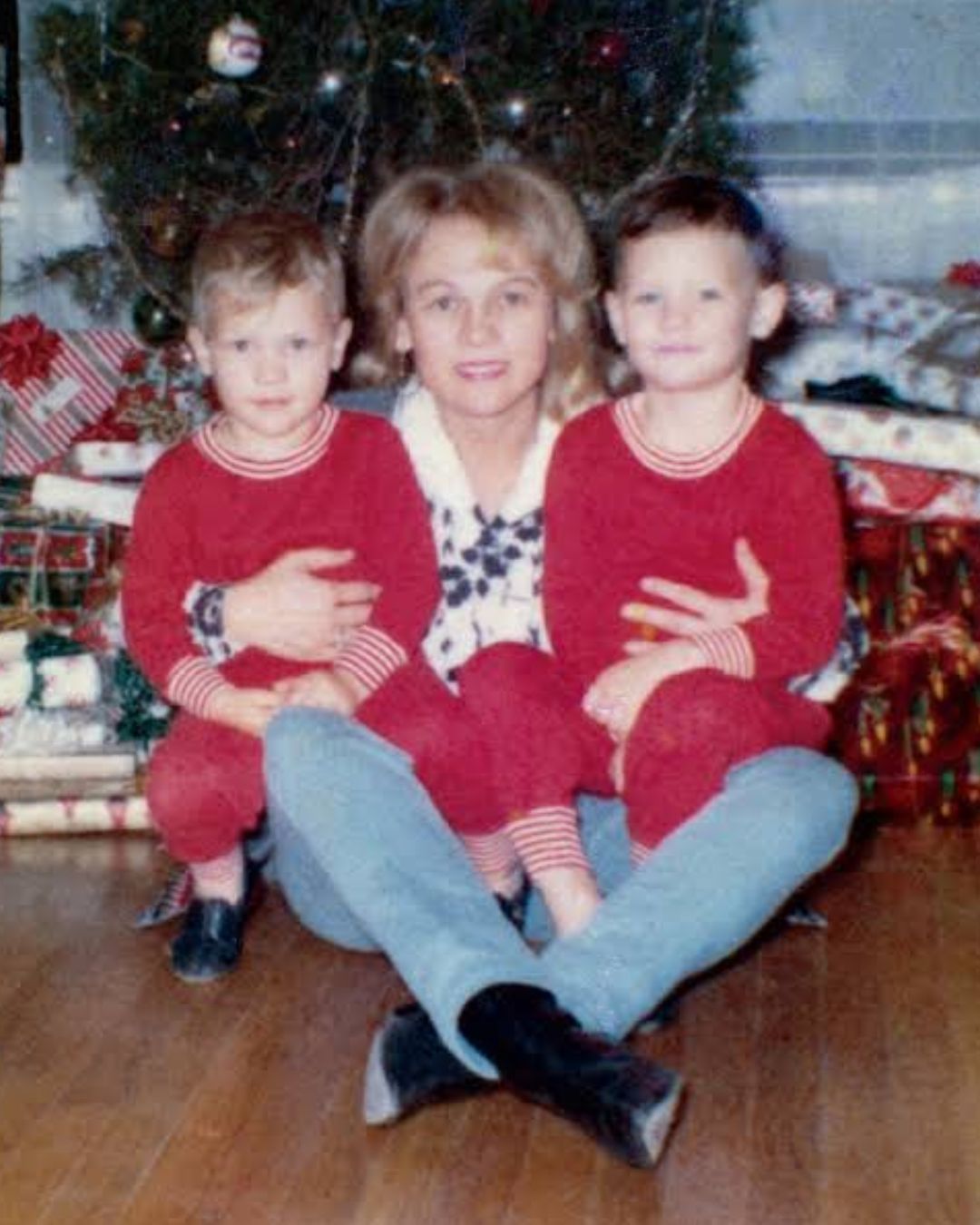
In January 1964, ten months after Hawkshaw Hawkins died in the plane crash that also took Patsy Cline, Cowboy Copas and pilot Randy Hughes, his widow Jean Shepard went into a Nashville studio and recorded a song about the two little boys he left behind. Marty Robbins wrote it. When the single came out, the writer’s credit did not carry his name. It read “Don & Harold Hawkins,” the names of her sons.
That record was the start of Jean Shepard’s way back. To understand what it cost her to make it, you have to go back to the spring of 1963.
The morning Hawk left
Jean Shepard and Hawkshaw Hawkins had joined the Grand Ole Opry the same year, 1955. They married on November 26, 1960, onstage at a show in Wichita, Kansas, with Capitol producer Ken Nelson giving the bride away. A year later came their first son, Don Robin, named for two friends: Don Gibson and Marty Robbins.
By March 1963 the family lived on a three-acre place in Goodlettsville, Tennessee, with a horse stable. Jean was 29 and eight months pregnant. Hawk was flying to Kansas City for a benefit show for the family of disc jockey “Cactus” Jack Call, who had been killed in a car accident.
Fifty years later, Jean told The Tennessean what she remembered of that morning. Before he left, Hawk leaned over the baby’s crib and said he wanted another one just like that.
The night of March 5, 1963
Hawk called her from Kansas City to say he was flying home with Randy Hughes, and called again from Dyersburg, Tennessee, where the plane stopped to refuel. That evening, Jean felt dizzy and a sharp pain, and went to bed. She later connected the feeling with the time the plane went down near Camden.
Around 11 p.m., a phone call woke her with the news that the plane was missing. Her doctor sedated her. A highway patrol officer was posted at the house, and friends, Minnie Pearl among them, sat by her bed through the night. The wreckage was found at dawn.
On April 8, 1963, Jean gave birth to a second son. She named him Harold Franklin Hawkins II, after his father.
Walking away from the stage
The Country Music Hall of Fame puts it simply: overwhelmed, Shepard put her career on hold for several months. Her parents moved in to run the household and help with the newborn and the toddler. She sold Hawk’s quarter horses.
She also thought hard about leaving music altogether. It was Opry president Jack DeWitt who persuaded her to keep going. She returned to the Opry stage several months after the crash and went back into the recording studio in August 1963.
She had not had a hit in years. Coming back meant starting over as a widow with two babies.
“You don’t know how I feel”
Later in 1963, Jean was walking into the Cedarwood Publishing office in Nashville when she ran into Marty Robbins. He had been a close friend to both her and Hawk. He told her he wanted to write a song about what she had lost. She answered him flatly, as she recalled in her 2014 autobiography, Down Through the Years:
You can’t write a song for me because you don’t know how I feel.
Robbins wrote it anyway. “Two Little Boys” is sung in the voice of a widow who sees her late husband in their sons and believes he would be proud of how they are growing. When Jean heard it, she told him he had done a very good job, in somewhat saltier words.
Then she noticed the credit. Robbins had left his own name off and listed her boys as the writers, so the royalties would go to them. She later wrote that she thought it was the most wonderful thing he could have done.
One session, two songs
On January 27, 1964, Jean recorded at Columbia’s studio in Nashville with producer Marvin Hughes. Three songs were cut that day. One was “Two Little Boys.” Another was a lighthearted Betty Amos number about a wife who comes second to her husband’s guitar, “Second Fiddle (To an Old Guitar).”
Capitol released the two together in April 1964, with “Second Fiddle” on the A-side and Robbins’s song on the back. “Second Fiddle” reached No. 5 on the Billboard country chart, her first chart record since 1959, and earned a Grammy nomination. It opened a run of hits that carried her through the rest of the decade.
“Two Little Boys” was never a hit on its own and was not put on an album until a German box set collected it in 1995. Jean sang it on The Wilburn Brothers Show soon after the release. Watching that clip decades later, she said you could almost read her face. She was not herself. She was simply sad.
What the record carried
Jean Shepard stayed on the Opry for 60 consecutive years, the first woman to reach that mark, and retired from the stage on November 21, 2015, her 82nd birthday. Her son Harold, the baby born five weeks after the crash, was the one who told the world when she died in September 2016.
Through all those years she bristled at how the 1963 crash was remembered almost entirely through Patsy Cline. She never hated Patsy, she said. She resented the way the story was told, as if no one else had been on that plane.
One record from 1964 holds both halves of what she went through. The front side, a bouncy song about playing second fiddle, put her back on the radio. The back side, written by a friend who refused to sign it, went quietly to the two boys Hawk never got to raise.