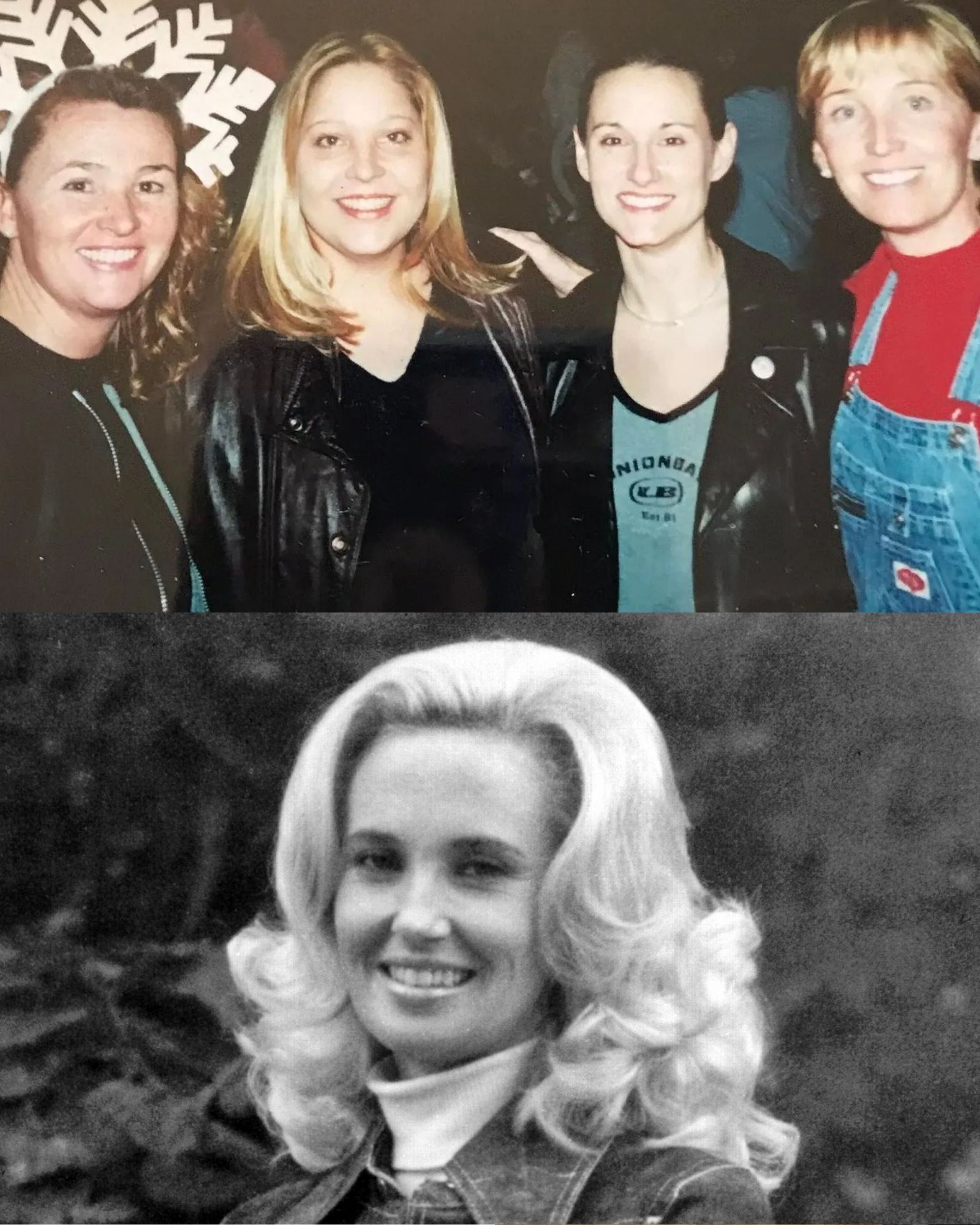
Tammy Wynette was buried as the First Lady of Country Music. Her death certificate said she died of a blood clot in her lung. But a year later, three of her daughters were not convinced that was the whole story. They pushed for something almost unheard of for a country music legend: they wanted their mother’s body exhumed and examined.
April 6, 1998
Tammy Wynette was found dead at her Nashville home on April 6, 1998. She was 55 years old. Her husband of nearly 20 years, songwriter and producer George Richey, found her.
Her health had been fragile for years. She had been through dozens of hospital stays and surgeries, and she had struggled with painkillers. The night before she died, she complained of a burning pain in her leg. Richey called her personal physician, Dr. Wallis Marsh, a surgeon based in Pittsburgh, about 500 miles away.
After her death, Dr. Marsh flew to Nashville, arriving in the early morning hours, and signed her death certificate. He listed the cause as a blood clot to the lungs. No autopsy was performed. Tammy Wynette was laid to rest at Woodlawn Cross Mausoleum in Nashville.
Questions That Would Not Go Away
In the months that followed, Tammy’s daughters began asking questions. They learned their mother had been receiving powerful medication at home, including the sedative Versed, which is more commonly used in hospitals. Nashville’s medical examiner, Dr. Bruce Levy, had released her body to the funeral home without knowing about those drugs. He later told Newsweek that if he had known, his office would at least have taken a blood sample.
In February 1999, three of Tammy’s daughters, Jackie Daly, Tina Jones and Georgette Smith, wrote letters to Dr. Levy asking for an exhumation. They said they simply wanted to know for certain how their mother died. At first, Dr. Levy turned them down.
A $50 Million Lawsuit
In early April 1999, nearly a year after Tammy’s death, the daughters filed a $50 million wrongful-death lawsuit against George Richey and Dr. Marsh. The suit claimed the two men had failed to properly monitor her fragile condition and had given her medication inappropriately. A pharmacy that delivered the drugs was later named as well.
Both men disputed the accusations. Richey’s attorney said in a statement that he had devoted his life to caring for Tammy. Dr. Marsh’s attorney called the daughters’ account of his actions inaccurate.
The Exhumation
Shortly after the lawsuit was filed, George Richey asked for an autopsy himself, saying he wanted to clear up any questions about her death. Tammy Wynette’s body was removed from the mausoleum, and on April 14, 1999, just over a year after she died, Dr. Levy performed the autopsy. After Richey’s request, the daughters dropped him from the lawsuit.
What the Autopsy Found
Dr. Levy announced the results on May 20, 1999. He said there was no evidence of a blood clot in her lungs at the time of her death, the very cause listed on her death certificate.
Instead, he found that Tammy Wynette’s heart had failed. Years of a chronic blood clotting condition had narrowed the arteries in her lungs, which put heavy strain on the right side of her heart. That strain eventually triggered a fatal irregular heartbeat, known as a cardiac arrhythmia.
Traces of two drugs, Versed and the anti-nausea medicine Phenergan, were found in her body. But Dr. Levy said there was no scientific way to determine whether they had played any part in her death. The daughters’ attorney, Ed Yarbrough, said the family found the findings disappointing, but not surprising.
Natural Causes
The case did not end there. In 2001, Dr. Levy retested the samples taken from Tammy Wynette’s body and found no trace of Versed. Based on that and on new research about how embalming affects the drug, he updated his ruling and declared that she had died of natural causes.
The daughters’ remaining lawsuit against Dr. Marsh was eventually resolved in a confidential out-of-court settlement. No court ever found that anyone was responsible for Tammy Wynette’s death.
A Mother’s Legacy
The fight over how Tammy Wynette died was painful for everyone involved, and it still stirs strong feelings among fans. But it did not change what she meant to country music. The woman who sang “Stand By Your Man,” “D-I-V-O-R-C-E” and “Golden Ring” with George Jones was inducted into the Country Music Hall of Fame in 1998, the year she died.
For her daughters, the exhumation was about one thing: knowing the truth about the last night of their mother’s life. In the end, the medical examiner said it was as clear a picture as anyone would ever have.
What is your favorite Tammy Wynette song?